
If you’ve chosen or are considering Uterine Fibroid Embolization (UFE) as a path toward fibroid relief, it’s natural to want a clear picture of what comes next. Understanding the typical recovery timeline, common side effects, and expected outcomes can help you feel more confident as you move forward with care.
Immediately After the Procedure
Once UFE is complete, you’ll spend a few hours in recovery under observation. The procedure is minimally invasive and often performed on an outpatient basis, so many women go home the same day. You may feel cramping or pressure in your pelvis, similar to strong menstrual cramps, as your body begins to respond to the changes in blood flow. Mild nausea or a low-grade fever is also not unusual in the hours following the procedure.
You’ll likely have a small bandage over the catheter insertion site (usually in your groin or wrist) and your vital signs and comfort will be closely monitored. Because sedatives or pain medications are used during the procedure, plan for someone to drive you home.
The First Few Days: Rest, Comfort, and Recovery
The first 48 to 72 hours tend to be the most uncomfortable. You may experience:
- Intense cramping, which generally feels strongest during this window
- Fatigue or tiredness, as your body is doing healing work
- Mild nausea or discomfort
- Vaginal spotting, discharge, or light bleeding
During this time, focus on:
- Pain management: Use medications as prescribed. Some discomfort is expected, and your care team will guide you on what remedies (pain relief, heating pads) are appropriate.
- Rest and gentle movement: Light walking can improve circulation, but avoid heavy lifting or strenuous activities.
- Monitoring symptoms: If you notice fever above 101 °F, foul-smelling discharge, or unusually heavy bleeding, contact your provider.
By the end of this period, many women begin to feel more comfortable and see a steady decrease in cramping and discomfort.
Weeks 1 to 2: Transitioning Back to Daily Life
As days pass, your energy will gradually return. Within the first week, most women feel capable of resuming light daily activities, though strenuous work or exercise should still wait. Many providers recommend taking at least a week (and sometimes up to two) off from work to rest fully.
Spotting or light discharge may continue for a few weeks, and occasional mild cramping is still common. The insertion site should heal gradually, and showers are often fine after 24 hours, though avoid soaking (baths, pools) until given the go-ahead.
By the end of week two, you may feel much more like your normal self. You will often notice less pressure, improved pelvic comfort, and more energy. That said, full recovery does not happen all at once.
Weeks 3 to 6: Healing and Symptom Improvement
It’s during this time that many of the initial changes begin to stabilize. The blood flow to fibroids has been cut off, so they start to shrink slowly. As they do, you may notice:
- Lighter menstrual bleeding and less cramping
- Diminished pelvic pressure
- Fewer urinary or bowel symptoms caused by fibroid crowding
Still, the full effects of UFE take a bit of time. Most women achieve their best symptom relief between 3 and 6 months after the procedure. During these months, the uterus often decreases in size, and many fibroid-related symptoms continue improving.
Long-Term Outcomes and Benefits
When recovery is complete and the dust settles, many women experience substantial improvements in quality of life. Here’s what to expect long-term:
- Significant symptom relief: A high percentage of patients report reduced heavy bleeding, less pain, and diminished pelvic pressure.
- Shrinkage of fibroids: Over the months following UFE, fibroids can shrink significantly, sometimes by one-third or more.
- Sustained benefits: In many cases, improvements in bleeding and discomfort remain well beyond the first year.
- Lower rates of new fibroid growth: Because UFE cuts off blood supply to fibroids, the likelihood of new or recurring growth is generally lower than with surgical removal procedures that leave fibroid tissue behind.
Keep in mind, though: results vary from person to person depending on factors like fibroid size, number, vascularity, and your overall health.
Tips for Supporting a Smooth Recovery
Here are some strategies to help your recovery go as smoothly as possible:
- Follow your provider’s instructions carefully—especially regarding medications, rest, and follow-up appointments.
- Stay hydrated and eat gently—start with light, easy-to-digest foods if your stomach feels unsettled.
- Gradually increase activity—walking helps with circulation, but don’t rush into strenuous workouts or heavy lifting.
- Be patient with your body—healing is a process. Some discomfort or fatigue may linger longer than you expect.
- Track your symptoms—noting changes in bleeding, pain, or discharge can help you and your provider gauge progress and spot anything unusual.
When to Contact Your Provider
While most recovery is smooth, you should reach out if you experience:
- Fever higher than 101 °F
- Severe pain not relieved by prescribed medication
- Heavy vaginal bleeding or large clots
- Foul-smelling discharge
- Persistent symptoms at the catheter site, like swelling or bleeding
These signs may indicate a complication or infection, and early evaluation is key to ensuring your safety.
Why UFE Is A Better Choice Than Surgical Procedures
Recovering from UFE is generally quicker and less intense than the recovery period for surgical procedures like myomectomy or hysterectomy. Many women are back to light activity within a week or two, and significant symptom relief often unfolds over the following months. While everyone’s healing journey is different, understanding what’s normal and having realistic expectations can help you move through recovery with less worry and more confidence.
If you’re considering UFE or have questions about the procedure or recovery process, reach out to 1Fibroid. With proper care and patience, many women find their symptoms diminished, their energy returning, and their quality of life renewed. Call 212-991-9991 for an appointment today.
Share this blog:
Facebook Twitter LinkedIn Email Print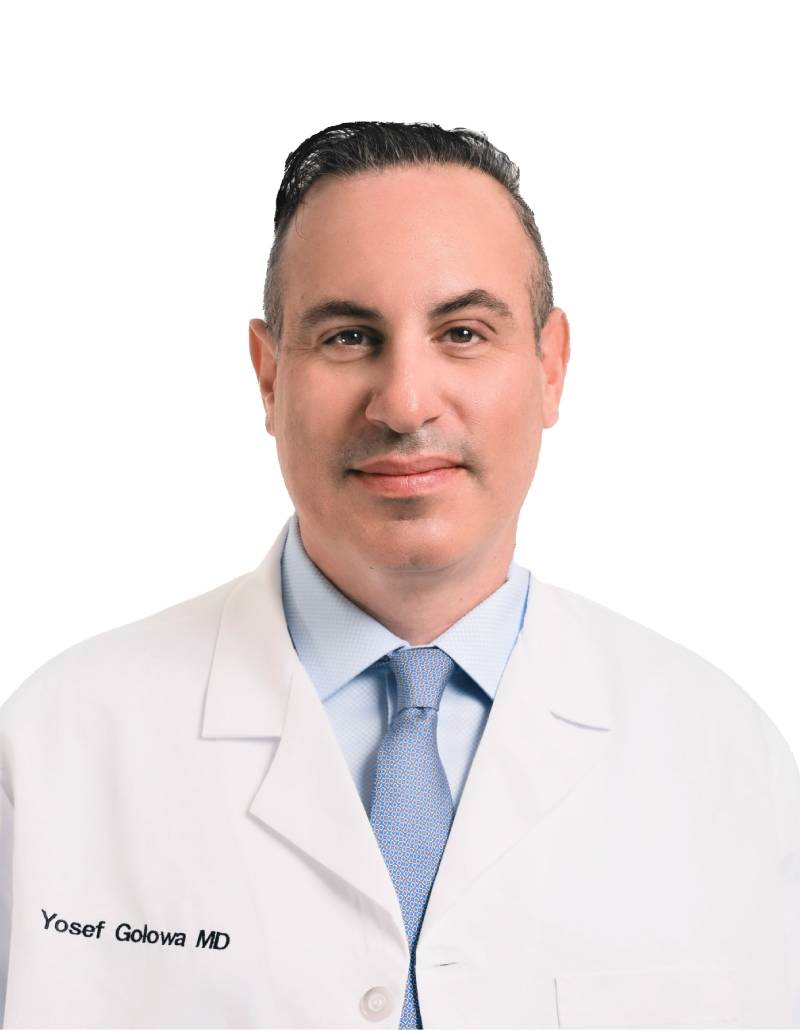
Yosef Golowa, MD, interventional radiologist at 1Fibroid. Learn about the clinician and bring your questions to the consultation.