
Scheduling your first consultation to discuss uterine fibroids can bring a mix of emotions: relief that you’re seeking answers, uncertainty about what comes next, and maybe even a bit of nervousness. Whether you’re dealing with symptoms like heavy periods, pelvic pressure, or simply want to better understand your reproductive health, preparing for this visit can help you feel more in control and confident about your care.
Here’s what you can expect at your first fibroid consultation, and how to make the most of it.
Understanding the Purpose of the Visit
The goal of your first fibroid consultation is to evaluate your symptoms, gather a complete medical history, and begin identifying whether fibroids may be the cause. If you’ve already received a diagnosis from another provider, this appointment may also serve to review your options and discuss treatments based on your specific needs and goals.
This is also a time to build a relationship with a provider who listens, supports you, and helps you make informed choices about your body.
What to Bring to Your Appointment
Being prepared can help your appointment go more smoothly and ensure that your provider has all the information they need. Consider bringing:
- A list of your symptoms: Include when they started, how often they occur, and how they impact your life.
- Menstrual cycle details: Note any changes, such as heavier bleeding, longer periods, or spotting between cycles.
- Medical history: Include previous diagnoses, surgeries, pregnancies, or any relevant gynecological issues.
- A list of medications and supplements: Include both prescription and over-the-counter items.
- Questions or concerns: Jot these down ahead of time so you don’t forget them during the visit.
If you’ve had previous imaging studies, such as ultrasounds or MRIs, try to bring the reports or arrange to have them sent to the office in advance.
Topics Your Provider May Discuss
During the visit, your provider will likely ask about your symptoms in detail, including:
- How long and heavy your periods are
- Whether you experience pain, pressure, or bloating
- Any urinary or bowel changes
- Pain during intercourse
- If you’re trying to become pregnant or plan to in the future
These questions are important because fibroids vary in size, number, and location, and these factors influence both your symptoms and the best course of treatment.
Possible Exams or Tests
Depending on your symptoms and whether you’ve already had any diagnostic testing, your provider may recommend:
- Pelvic exam: To check for uterine enlargement or tenderness.
- Ultrasound: Often the first imaging test used to detect fibroids.
- MRI: In some cases, this may be recommended to get a more detailed view of the uterus and surrounding tissue.
These imaging tools help differentiate between fibroids and other possible causes of your symptoms, such as adenomyosis or polyps.
Questions to Ask Your Provider
It’s perfectly okay and encouraged to ask questions during your consultation. You might ask:
- What type of fibroids do I have, and how many are there?
- What are my treatment options?
- Will I need surgery, or are there less invasive options?
- How will treatment affect my fertility or menstrual cycle?
- What can I do at home to manage my symptoms in the meantime?
Getting clear answers will help you feel more at ease and more involved in your treatment planning.
Discussing Your Treatment Options
If fibroids are confirmed, your provider will walk you through your options, which may include:
- Pharmaceutical treatments, such as NSAIDs or Tranexamic Acid (TXA) to manage pain and bleeding.
- Hormone therapy, including birth control pills, hormonal IUDs, or progestin shots, which can regulate menstrual cycles and reduce fibroid symptoms.
- Uterine fibroid embolization (UFE), a non-surgical procedure that cuts off the fibroid’s blood supply, causing it to shrink over time.
You’ll also discuss the pros and cons of each approach based on your lifestyle, fertility goals, and personal preferences. There’s no one-size-fits-all treatment—what matters most is finding the plan that works for you.
Managing Emotions and Expectations
It’s completely normal to feel overwhelmed or unsure as you process new information and make decisions about your health. Give yourself time to absorb what you’ve learned, and don’t hesitate to schedule a follow-up visit to continue the conversation or bring a loved one with you for support.
Many women feel empowered once they understand their condition and know they have a say in how it’s managed. Your consultation is just the first step on a path toward relief and better well-being.
1Fibroid is Here to Support You in New York
Preparing for your first fibroid consultation is an act of self-care. Whether you’re seeking answers about unusual bleeding, pelvic discomfort, or planning for future fertility, this visit is a chance to be heard, supported, and guided toward the right solution for you.
Take notes, ask questions, and remember: this is your body and your journey. You deserve care that meets you where you are and helps you feel better.
If you’re ready to take the next step toward relief, scheduling your consultation with 1Fibroid is the perfect place to begin. Call 212-991-9991 for an appointment today.
Share this blog:
Facebook Twitter LinkedIn Email Print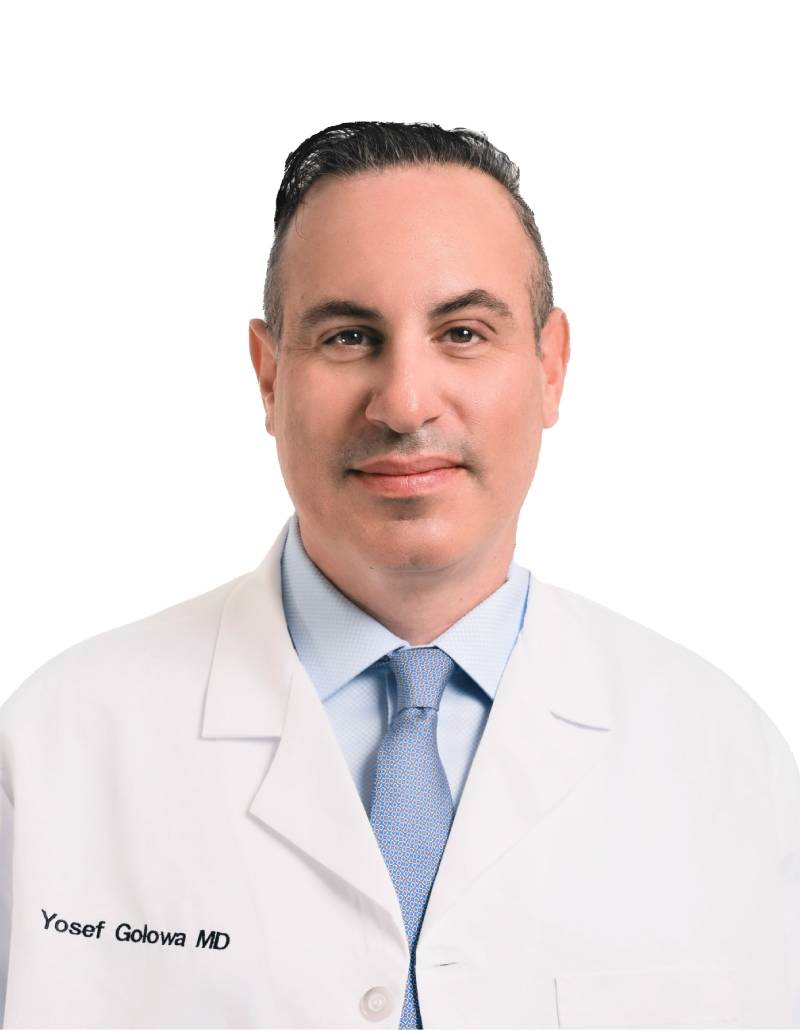
Yosef Golowa, MD, interventional radiologist at 1Fibroid. Learn about the clinician and bring your questions to the consultation.