
If you’re one of the millions of women living with uterine fibroids, you may be looking for a minimally-invasive way to treat them. Have you considered using an IUD? Intrauterine devices are becoming an increasingly popular treatment option for fibroids, and for good reason. For many women, they are safe, effective, and well tolerated. In this blog post, we will discuss how IUDs can be used to treat uterine fibroids. We’ll also take a look at the different types of IUDs available and who is an ideal candidate for this type of treatment. Finally, we’ll answer some common questions about using IUDs as a treatment for fibroids.
What are IUDs?
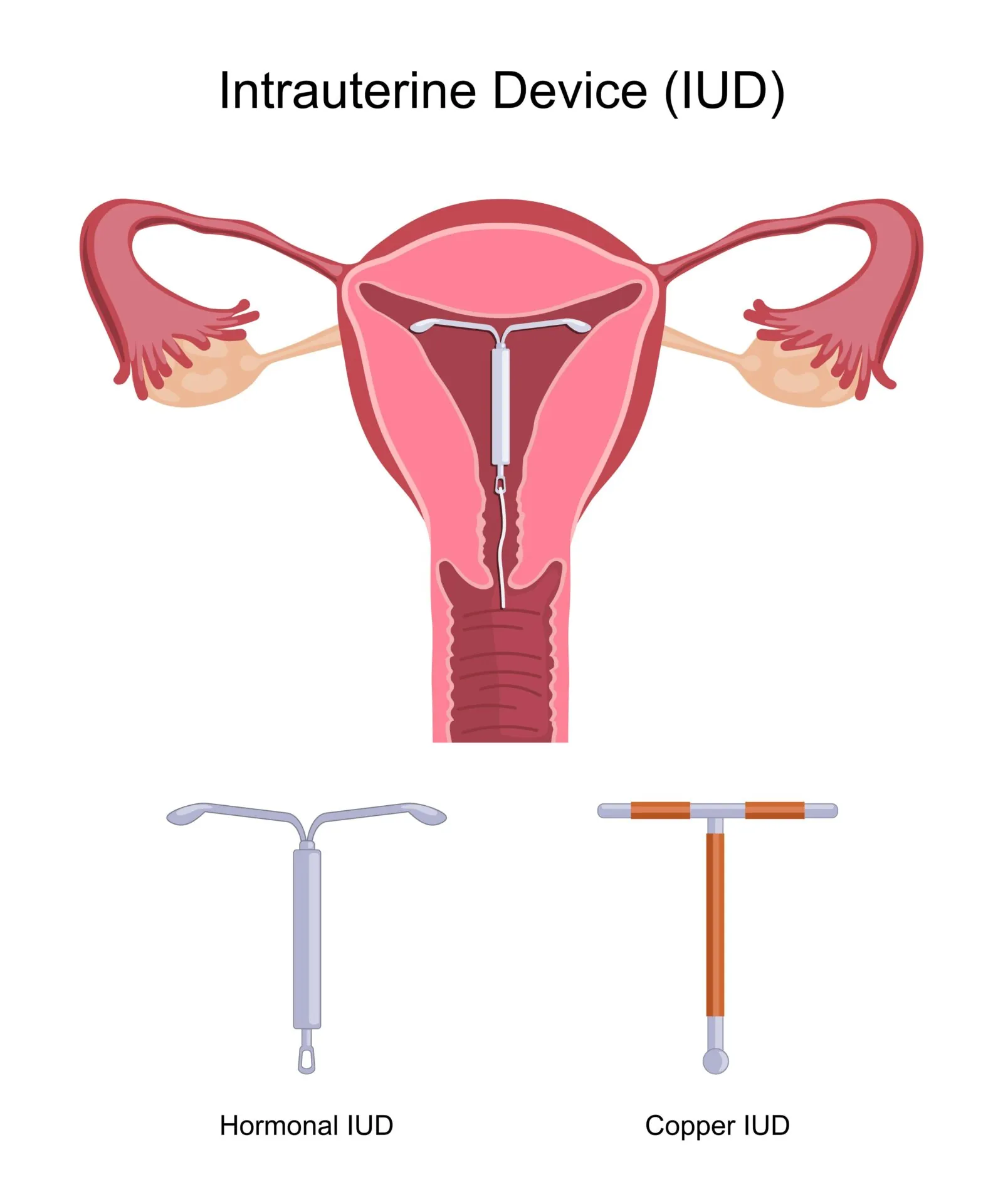
Intrauterine devices, simply called IUDs, are small, T-shaped devices that are placed inside the uterus. There are two types of IUDs available: hormonal and non-hormonal.
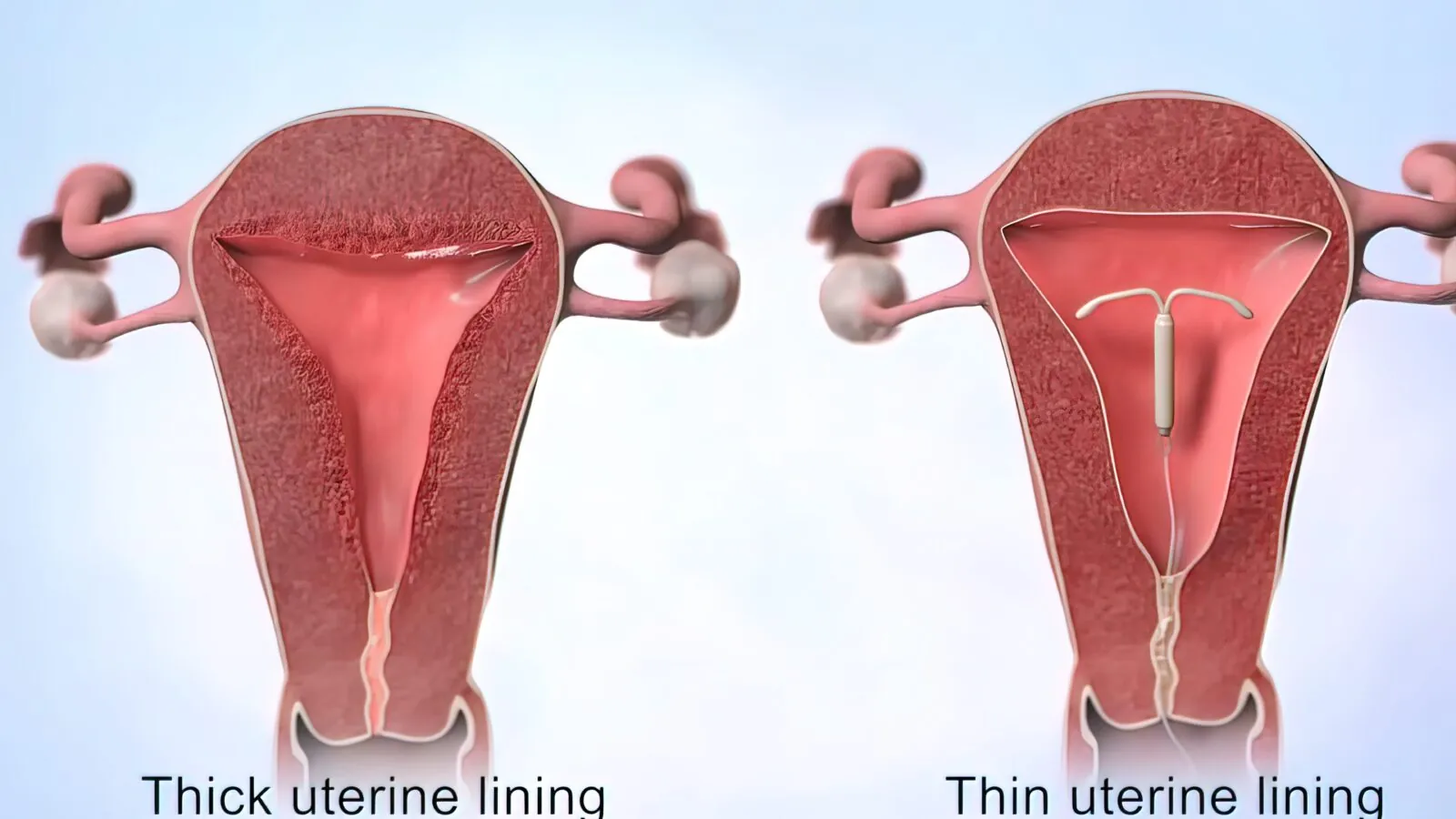
- Hormonal IUDs (Mirena, Kyleena, Liletta, Skyla) release a small amount of progestin (levonorgestrel) into the uterus, which thins the uterine lining and thickens cervical mucus to prevent pregnancy. This helps relieve fibroid symptoms like heavy bleeding, long periods, and pain.
- Non-hormonal IUDs (Paragard) work by using copper to create an inflammatory reaction in the uterus that makes it a toxic environment for sperm. While effective at preventing pregnancy, non-hormonal IUDs don’t improve fibroid symptoms and may make periods heavier or more painful.
It is important to note that IUDs cannot reduce the size of fibroids, nor can they eliminate fibroids altogether. Additionally, IUDs cannot prevent your fibroids from continuing to grow. This form of treatment is primarily used to help manage the symptoms associated with fibroids, such as heavy bleeding, long periods, painful cramps, and anemia-related symptoms. For longer-lasting relief, procedures that treat the fibroids themselves, such as uterine fibroid embolization (UFE), myomectomy, or hysterectomy, may be considered.
Who is an ideal candidate for IUD treatment?
Women whose fibroids do not distort the inside of the uterus are generally good candidates for this type of treatment. IUDs are also a good option for women who cannot take or do not want to take oral contraceptives.
However, if you have fibroids that distort the inside of your uterus (the uterine cavity), an IUD is generally not recommended. Large fibroids may also affect how the device is placed and increase the risk of IUD expulsion. IUD expulsion is when the IUD device is unintentionally expelled from the uterus. This can happen for a number of reasons, including incorrect placement of the IUD, uterine fibroids, and pregnancy.
FAQs Regarding IUDs and Uterine Fibroids:
Are there any risks involved?
There are some risks associated with IUDs, but they are rare. These risks include expulsion of the IUD, perforation of the uterus, and infection. However, these risks are generally low and can be mitigated by working with an experienced physician.
How long does treatment take?
IUD placement is a quick, in-office procedure that takes about 15 minutes to complete. After the IUD is placed, you can expect to experience some cramping and spotting for a few days. Once your body adjusts to the IUD, your symptoms should improve within a few months.
How long does the IUD last?
Depending on the brand, hormonal IUDs are approved for 3 to 8 years of use, while the non-hormonal copper IUD is approved for up to 10 years. After that, the IUD must be removed and replaced with a new one if you want to continue using this form of treatment.
What are the side effects?
The most common side effect associated with IUDs is irregular bleeding or spotting. This is especially common in the first few months and usually improves over time, but can last the entire duration of the IUD. With the copper IUD, periods may become heavier and more painful. Other potential side effects of hormonal IUDs include breast tenderness, mood swings, and headaches, which are generally mild.
What is involved with uterine fibroid embolization and how does this compare to IUD treatment?
Uterine fibroid embolization (UFE) is a minimally-invasive procedure that involves cutting off the blood supply to the fibroids. This causes the fibroids to shrink and die. UFE is generally considered a long-lasting treatment that shrinks fibroids, although some women need further treatment years later, while IUD treatment is considered to be a temporary solution that only manages symptoms. Additionally, UFE can be used to treat large fibroids, while IUDs are generally only effective for small to medium sized fibroids.
In Conclusion
In this blog post, we’ve discussed how IUDs can be used to treat the symptoms of uterine fibroids. We’ve also looked at the different types of IUDs available and who is an ideal candidate for this type of treatment. Finally, we’ve answered some common questions about using IUDs as a treatment for fibroids. If you’re considering IUD treatment for your uterine fibroids, it’s important to consult with a physician to see if you are an ideal candidate. While IUDs are a safe and effective treatment option for many women, they may not be the best option for everyone.
Sources
- Management of Symptomatic Uterine Leiomyomas. American College of Obstetricians and Gynecologists (Practice Bulletin No. 228), 2021.
- U.S. Medical Eligibility Criteria for Contraceptive Use, 2024. CDC / MMWR Recomm Rep, 2024.
- Progestogens or progestogen-releasing intrauterine systems for uterine fibroids (other than preoperative medical therapy). Cochrane Database Syst Rev, 2020.
- Intrauterine device use among women with uterine fibroids: a systematic review. Contraception, 2010.
- Uterine artery embolization vs hysterectomy in the treatment of symptomatic uterine fibroids: 10-year outcomes from the randomized EMMY trial. Am J Obstet Gynecol, 2016.
- Long-Acting Reversible Contraception (LARC): Intrauterine Device (IUD) and Implant. American College of Obstetricians and Gynecologists (patient FAQ).