
Pelvic pain can be difficult to describe and even harder to bring up during a doctor’s visit. Whether your symptoms are new, ongoing, or worsening, it’s important to know that you’re not alone, and you deserve to be heard and supported.
For many women, pelvic pain is tied to conditions like fibroids, adenomyosis, or pelvic congestion syndrome. But getting to the root of your discomfort starts with a productive conversation with your healthcare provider. Here’s how to approach that conversation with confidence and clarity.
Prepare Before Your Appointment
Before seeing your doctor, take some time to reflect on your symptoms. Writing them down in a journal or note-taking app can help you communicate more clearly. Consider:
- When the pain started
- Where you feel it (e.g., lower abdomen, lower back, one side more than the other)
- How often it occurs
- What it feels like (cramping, aching, sharp, pressure-like, etc.)
- Whether it’s tied to your menstrual cycle, activity, or other triggers
It can also be helpful to track how the pain affects your daily life—your sleep, work, exercise, or emotional well-being. This gives your provider a fuller picture of what you’re dealing with and helps guide next steps.
Use Descriptive Language
Many women downplay their symptoms, especially when the pain isn’t constant or seems hard to describe. But using specific language, even if imperfect, is more helpful than saying “it’s not that bad” or “I’m used to it.”
Try describing:
- Intensity: Is it mild, moderate, or severe?
- Duration: Does it come and go? Does it last for hours or days?
- Timing: Does it get worse before or during your period? After standing for long periods?
- Related symptoms: Are you also experiencing heavy bleeding, bloating, fatigue, or digestive changes?
The more specific you can be, the easier it will be for your provider to consider potential causes, whether that’s fibroids, adenomyosis, or another condition.
Don’t Minimize Your Experience
It’s common for women to feel dismissed when they raise concerns about pelvic pain. If that’s ever happened to you, it can be hard to speak up again. But your pain is valid, even if test results have come back “normal” in the past or you’ve been told it’s “just part of being a woman.”
Trust your instincts. If something doesn’t feel right in your body, it’s worth investigating. Don’t be afraid to say, “I’ve been dealing with this for a while and it’s affecting my quality of life. I’d like to explore what’s going on.”
Ask About Underlying Conditions
If pelvic pain is part of your life, ask your doctor whether it could be related to specific conditions like:
- Uterine fibroids, which may cause pressure, cramping, or heavy menstrual bleeding
- Adenomyosis, where tissue similar to the uterine lining grows into the muscular wall of the uterus
- Pelvic congestion syndrome, a condition involving enlarged, varicose-like veins in the pelvic area
You can also ask about imaging studies such as ultrasound or MRI, which are often used to help identify or rule out these conditions.
Understand Your Options
If a diagnosis is made, your provider may offer treatment options such as hormone therapy, pharmaceutical treatments, or minimally invasive procedures like Uterine Fibroid Embolization (UFE) or ovarian vein embolization. Each approach depends on the underlying cause and your personal goals for symptom relief.
Don’t hesitate to ask questions like:
- What are the pros and cons of each option?
- Will this treatment address the root cause or just the symptoms?
- Are there lifestyle changes that could also help reduce the pain?
You Deserve Answers and Relief
Pelvic pain shouldn’t be something you just live with. Open communication is the first step toward answers, relief, and feeling like yourself again. Your voice matters and the right provider will listen.
If you’re living with pelvic pain or other persistent symptoms, speak with a healthcare provider at 1Fibroid in New York for the best way to get a clear diagnosis. A consultation can be the first step toward finding a solution that works for your life and your goals. Call 212-991-9991 for an appointment today.
Share this blog:
Facebook Twitter LinkedIn Email Print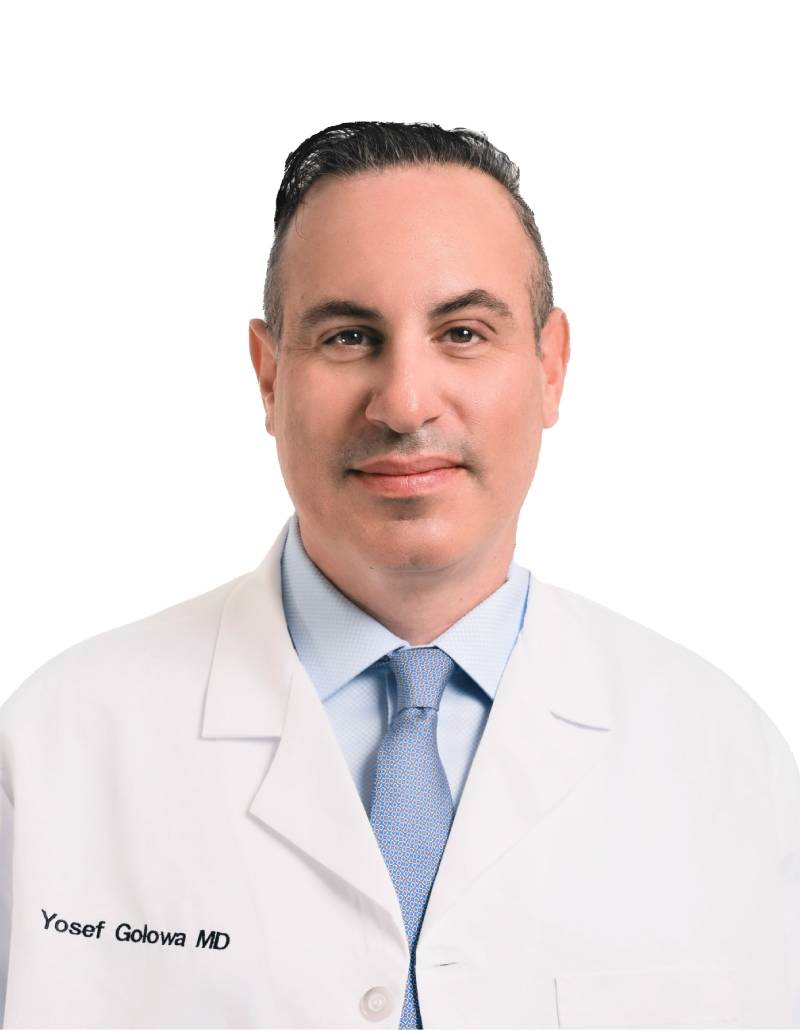
Yosef Golowa, MD, interventional radiologist at 1Fibroid. Learn about the clinician and bring your questions to the consultation.