
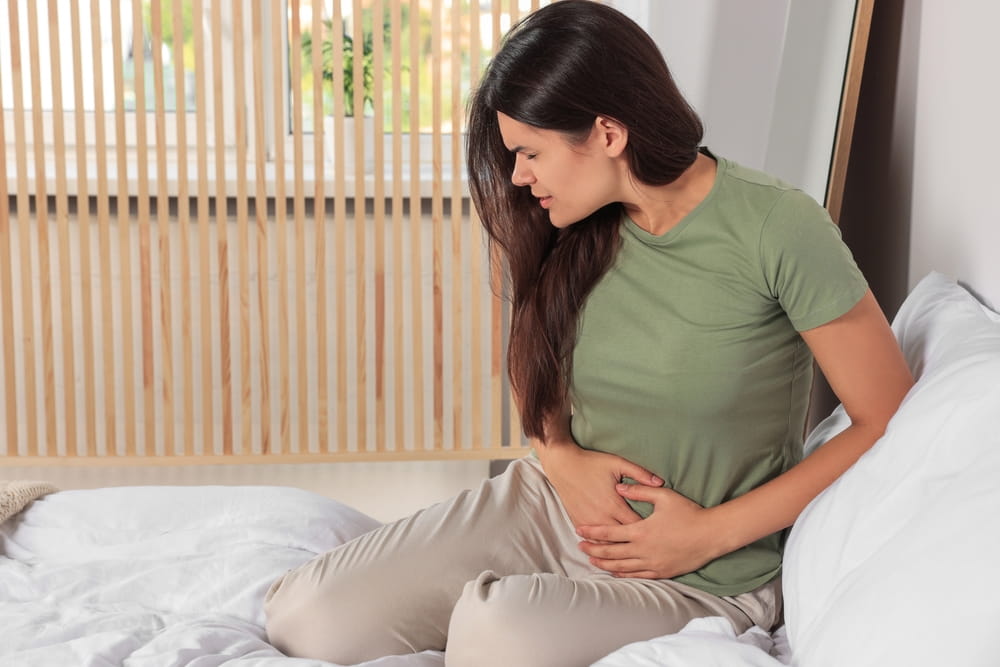
Pelvic pain is a common health concern that affects women of all ages. The discomfort may be mild and occasional or severe enough to interfere with work, exercise, sleep, and daily activities. Because the pelvis contains reproductive organs, portions of the urinary tract, and parts of the digestive system, pelvic pain can have many different causes. Understanding what may be contributing to symptoms is often the first step toward obtaining an accurate diagnosis and appropriate treatment.
At 1Fibroid, many women in Manhattan, Queens, and Rego Park, NY seek educational information about pelvic pain and the conditions that may be responsible for it. While occasional discomfort may not always indicate a serious issue, persistent, worsening, or unexplained pelvic pain should never be ignored. Identifying the underlying cause can help prevent complications and improve quality of life.
Uterine Fibroids as a Cause of Pelvic Pain
How Fibroids Create Pressure and Discomfort
Uterine fibroids are one of the most common causes of pelvic pain and pressure in women. These noncancerous growths develop within or around the uterus and can vary greatly in size and number. While some women experience no symptoms, others develop chronic pelvic discomfort, heavy menstrual bleeding, lower back pain, or a sensation of fullness in the abdomen.
As fibroids grow, they may place pressure on nearby organs such as the bladder, bowel, or surrounding pelvic structures. This pressure can lead to aching, cramping, and persistent discomfort that worsens during menstruation or prolonged activity. In some cases, treatment options such as Uterine Fibroid Embolization (UFE) or other non-invasive treatment options may be considered depending on the severity of symptoms.
When Fibroid Symptoms Become More Noticeable
Pelvic pain associated with fibroids often develops gradually as the fibroids increase in size. Women may also notice increased menstrual bleeding, pelvic pressure, constipation, or urinary frequency. These symptoms frequently occur together and can significantly affect daily comfort and overall well-being.
Because fibroid-related symptoms can overlap with other gynecological conditions, medical evaluation and imaging studies are often necessary to confirm the diagnosis and determine appropriate treatment recommendations.
Other Gynecological Conditions That Cause Pelvic Pain
Endometriosis and Adenomyosis
Endometriosis occurs when tissue similar to the uterine lining grows outside the uterus. This condition can cause significant pelvic pain, especially during menstrual periods. Many women with endometriosis also experience painful intercourse, chronic pelvic discomfort, and fertility challenges.
Adenomyosis is another condition involving uterine tissue growth, but in this case, the tissue grows into the muscular wall of the uterus. This can result in heavy bleeding, severe menstrual cramps, and ongoing pelvic tenderness. Both conditions may require specialized evaluation to distinguish them from fibroids and other causes of pelvic pain.
Ovarian Cysts and Reproductive Health Concerns
Ovarian cysts are fluid-filled sacs that develop on or within the ovaries. While many cysts are harmless and resolve on their own, larger cysts can cause pelvic pressure, bloating, and pain. In some situations, a cyst may rupture or twist, creating sudden and severe symptoms that require immediate medical attention.
Women experiencing recurring pelvic pain may benefit from imaging studies and gynecologic evaluations to identify whether ovarian abnormalities or other reproductive conditions are contributing to their symptoms.
Urinary and Digestive Causes of Pelvic Pain
Not all pelvic pain originates from reproductive organs. Conditions affecting the urinary tract and digestive system can also cause discomfort in the pelvic region. Urinary tract infections, bladder inflammation, and kidney stones frequently produce pelvic or lower abdominal pain, often accompanied by urinary symptoms.
Digestive conditions such as irritable bowel syndrome, inflammatory bowel disease, constipation, and diverticular disease may also contribute to pelvic discomfort. Because symptoms can overlap between different organ systems, a thorough medical evaluation is often necessary to determine the source of pain.
Common non-fibroid causes of pelvic pain include:
- Endometriosis
- Adenomyosis
- Ovarian cysts
- Pelvic inflammatory disease
- Urinary tract infections
- Kidney stones
- Irritable bowel syndrome
- Constipation and digestive disorders
When to Seek Medical Evaluation
Pelvic pain should never be considered a normal part of life if it becomes persistent, severe, or disruptive. Symptoms that worsen over time, interfere with daily activities, or occur alongside heavy bleeding, fever, dizziness, or unexplained weight changes warrant prompt medical attention.
Early evaluation can help identify conditions before they progress and may provide access to a wider range of treatment options. Depending on the diagnosis, women may benefit from medications, minimally invasive procedures, lifestyle modifications, or surgical interventions such as myomectomy or hysterectomy.
Finding the Cause of Pelvic Pain
Pelvic pain can arise from many different conditions, making proper diagnosis essential for effective treatment. Whether symptoms are related to fibroids, endometriosis, ovarian cysts, urinary disorders, or digestive conditions, understanding the underlying cause allows women to make informed healthcare decisions.
At 1Fibroid, educational resources help women throughout Manhattan, Queens, and Rego Park, NY learn more about pelvic pain and the conditions that may contribute to it. Recognizing symptoms early and seeking appropriate medical evaluation can play an important role in improving comfort, health, and overall quality of life.
Resources
Stewart, E. A. (2015). Clinical Practice: Uterine Fibroids. New England Journal of Medicine.
Bulun, S. E. (2009). Endometriosis. New England Journal of Medicine.
Howard, F. M. (2003). Chronic Pelvic Pain. Obstetrics & Gynecology.